
Watching Sea Turtles Nest: A Quiet Costa Rican Miracle
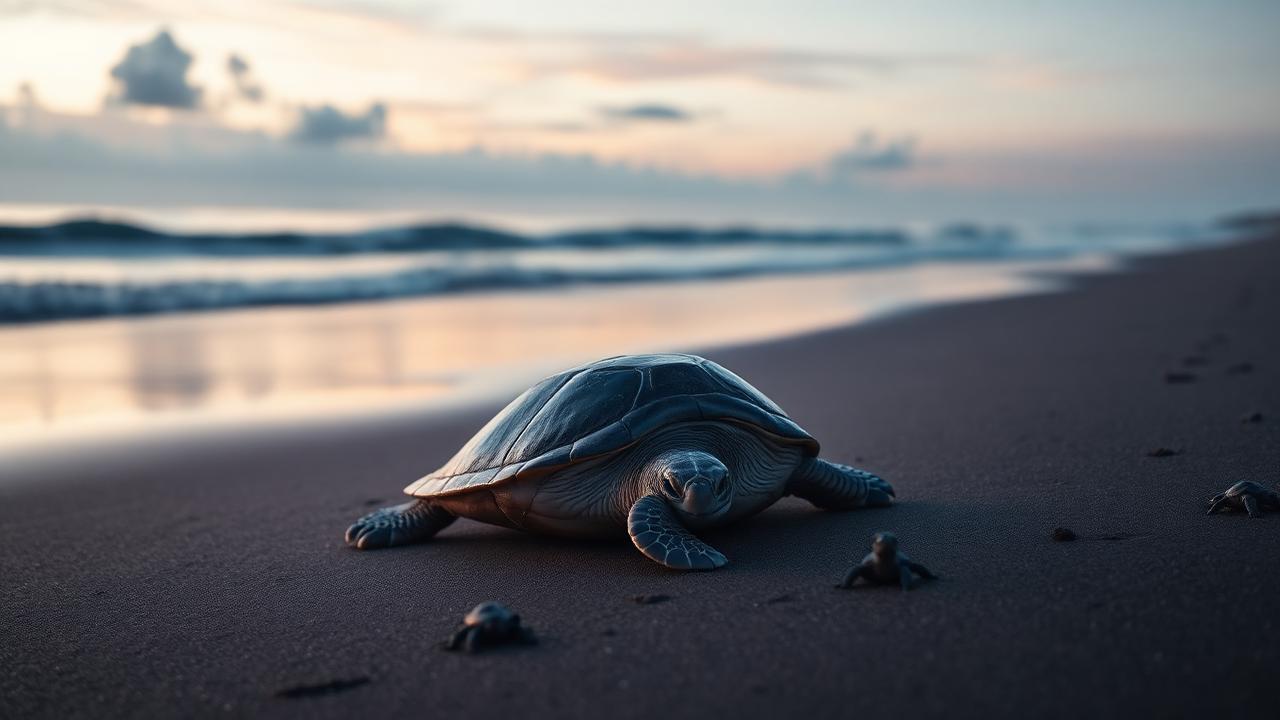
The first time I watched a leatherback haul herself onto the sand at 2am, I cried. Twenty-five years guiding tours and that moment still moves me. There is something almost prehistoric about it — these animals have been doing this for a hundred million years, and for a few hours you get to witness it.
Five of the world's seven sea turtle species nest on Costa Rican beaches. Here's how I share it with my guests respectfully.
Where & when
Ostional (Guanacaste): the famous Olive Ridley arribadas — thousands of turtles arriving on the same beach over a few nights. The big arribadas happen July through December, usually timed with the lunar cycle. It is one of the most overwhelming wildlife events on Earth.
Tortuguero (Caribbean): Green turtles, July through October. Tortuguero is only reachable by boat or small plane, which keeps crowds down. Night tours are run with red-filtered flashlights and strict no-photography rules.
Playa Grande (Las Baulas National Park): Leatherbacks, October through March. Leatherbacks are the largest — up to two meters long and 700kg. Watching one dig her nest is like watching a small car carve into the sand.
Playa Hermosa (south Pacific): Olive Ridleys nest here individually almost year-round. Good option if your dates don't line up with an arribada.
The rules that matter
No white lights. No flash photography. Stay behind the turtle, never in front. Speak in whispers. Do not touch the turtle, the eggs, or the hatchlings — ever.
Always go with a licensed local guide. On protected beaches it is not just etiquette, it's law. Unlicensed tours can mean fines for you and worse outcomes for the turtles.
Sea turtles use the brightness of the horizon to orient toward the ocean. A single phone flashlight can disorient an entire generation of hatchlings and send them inland to die. Your respect quite literally keeps these animals coming back year after year.
What to expect on a tour
Tours leave from your hotel after dark, usually around 8 or 9pm. You'll wait at the ranger station while spotters walk the beach. When a nesting turtle is found, your guide brings the group quietly to her.
You'll watch her dig the nest, lay 80–100 eggs (it takes 45 minutes or so), cover them, and slowly drag herself back to the sea. The whole experience usually takes 90 minutes to two hours. Dress in dark clothing, bring bug spray, and prepare for one of the most unforgettable nights of your life.